5 Interior Design Ideas That Turn a House Into a Warm, Welcoming Home
A well-designed home is never just about attractive furniture or the latest finishes. The homes that actually stay memorable are the ones that feel comfortable, work the way you live, and feel like yours rather than a showroom. Architecture gives a home its bones and proportions, but interior design is what brings it to life it's the layer that reflects the people who actually live inside it.
Whether you've just moved into a new house, finished a renovation, or simply want to refresh the rooms you already live in, the right interior design choices can change how a home feels far more than people expect. At Allan J. Grant and Associates, we've always believed great residential design comes from pairing timeless architecture with interiors that genuinely support everyday life not just photograph well. Below are five practical ideas we come back to again and again with clients looking to make their homes feel warmer and more welcoming.
1. Start With Function, Not Just Appearance
The most common mistake in interior design is letting appearance drive every decision before function has even been considered. Finishes and furniture matter, but a room that doesn't work for your daily routine will never feel as good as it looks, no matter how beautiful the materials are.
Before furnishing or decorating any room, it helps to ask a few honest questions:
- How many people actually use this room on a typical day?
- Is there enough seating for both family and guests?
- Can people move through the space comfortably?
- Are the things you reach for most often easy to get to?
- Does the furniture arrangement encourage people to sit and talk, or does it work against conversation?
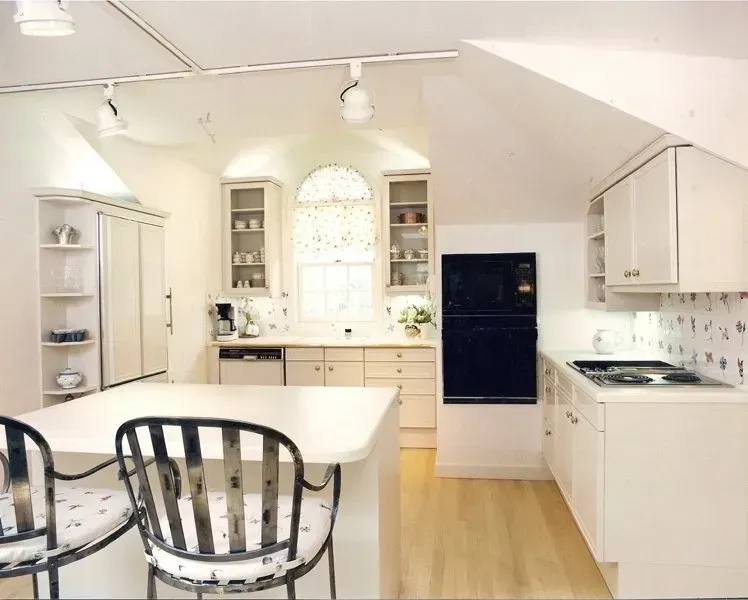
A living room, for example, should feel inviting rather than crowded comfortable seating, chairs positioned for conversation, and side tables placed where people will actually use them. Dining rooms need enough clearance for chairs to slide back without bumping into a wall or a walkway.
Traffic flow deserves just as much attention as furniture selection. The best-designed interiors create clear, natural paths between rooms instead of forcing people to navigate around obstacles. This is exactly where architecture and interior design have to work together circulation, room proportions, and furniture layout are decisions that are far easier to get right when they're considered from the start of a project rather than patched together afterward.
2. Add Personality Through Thoughtful Accessories
Accessories are what take a beautifully built house and turn it into a home with character. The goal isn't to fill every surface with decorative objects it's choosing pieces that actually mean something and tell your story.
Consider working in things like family photographs, travel souvenirs, handmade pottery, sculpture, meaningful books, artwork, or inherited heirlooms. These personal touches do more to make a space feel authentic than anything bought specifically to match a color scheme.
A simple technique many designers use is grouping a few objects of varying height, texture, and material into a small vignette say, a framed photo, a ceramic vase, a stack of books, and a small sculpture arranged together on a console table. That kind of layered display creates visual interest without tipping into clutter.
Artwork carries a lot of this weight on its own. Whether you lean toward contemporary paintings, black-and-white photography, abstract prints, or classic landscapes, art introduces color, texture, and emotion that a room simply doesn't have without it. Mirrors are worth including too beyond their decorative value, they bounce natural light around a room and make smaller spaces read larger.
3. Layer Your Lighting
Lighting is one of the most underestimated tools in residential design, and it's often an afterthought during renovations even though it changes a room more than almost any other single decision. A single ceiling fixture is rarely enough for how a modern home actually gets used throughout the day.
The strongest interiors layer several types of lighting together:
- Ambient lighting provides general illumination recessed ceiling lights, chandeliers, flush-mount fixtures, and pendants all fall into this category.
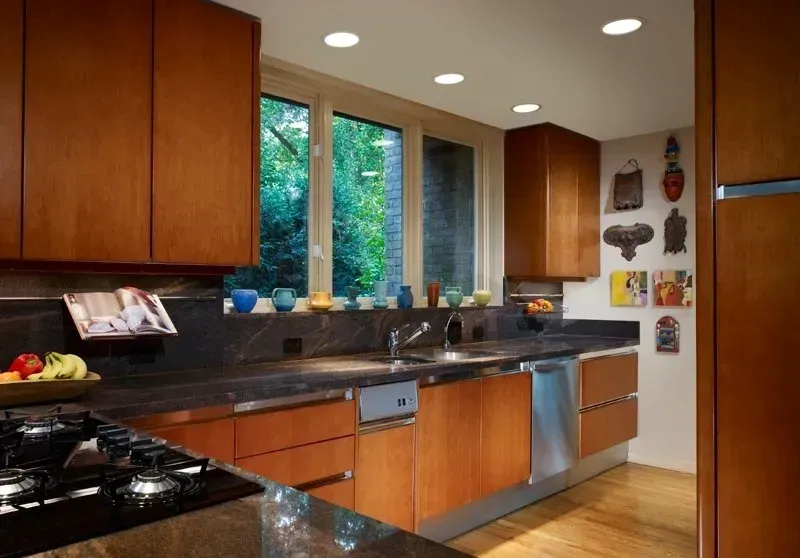
- Task lighting supports specific activities, like reading lamps, under-cabinet kitchen lighting, desk lamps, and vanity lighting.
- Accent lighting highlights architectural details or favorite features think wall sconces, picture lights, LED shelf lighting, or cabinet lighting.
- Decorative lighting can become a focal point in its own right. A statement chandelier or a sculptural pendant does double duty as both light source and design element.
Dimmer controls are worth installing wherever possible. Bright, even lighting works well for cooking or cleaning, while softer, dimmed lighting sets a completely different tone for entertaining or a quiet evening at home and having that flexibility built in is far better than living with one fixed setting.
4. Bring Natural Elements Indoors
One of the easiest ways to make a home feel fresher and more welcoming is by connecting the interior to the natural world outside it an approach often called biophilic design, and one that's gained popularity because it genuinely improves both the look and feel of a space, not just its aesthetics.
Plants are the simplest entry point. Low-maintenance varieties like snake plants, ZZ plants, pothos, peace lilies, rubber plants, and fiddle leaf figs add color and life with very little upkeep. Even one well-placed plant in a corner can soften hard architectural lines and warm up a room.
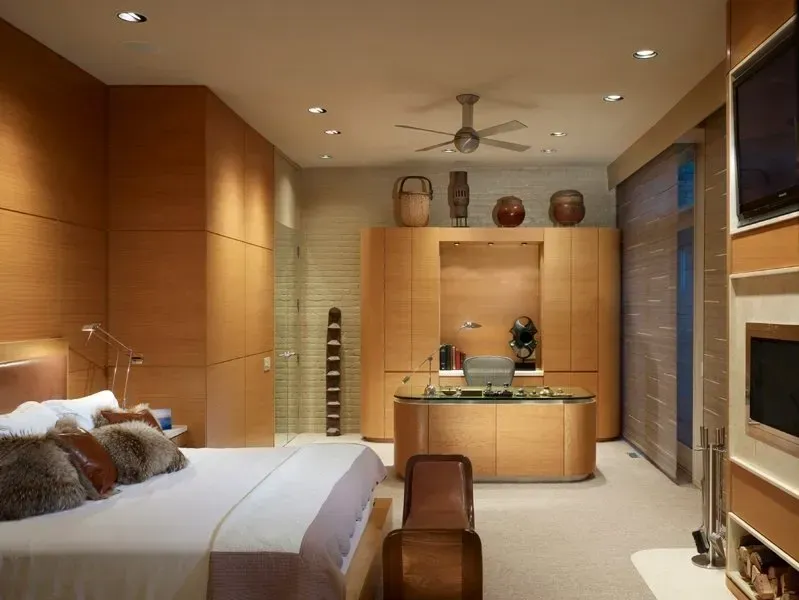
Natural materials do similar work on a larger scale wood flooring, stone countertops, linen fabrics, cotton upholstery, woven baskets, and marble accents all add texture and a sense of timelessness that synthetic materials rarely match.
And whenever the architecture allows for it, natural light should be treated as a design element in its own right. Large windows, glass doors, skylights, and open floor plans all bring daylight deeper into a home, which not only looks better but reduces how much a household relies on artificial lighting during the day. This is one area where interior design and architecture are genuinely inseparable window placement and room orientation are decisions made at the exterior design stage, long before interior finishes are ever selected, and they determine how much natural light a room can actually capture.
5. Make Every Space Personal
Perhaps the single most important principle in interior design is also the simplest: your home should reflect you. Trends shift constantly, but personal, meaningful design choices hold up for years.
Family photographs from vacations, weddings, graduations, and everyday milestones do more to make a house feel lived-in than almost any other decorating decision. The same goes for collections books, ceramics, sports memorabilia, vintage furniture that are worth displaying rather than tucking away in storage.
Some of the most memorable homes we've worked on blend new furnishings with inherited pieces. An antique cabinet, a family dining table, or a handmade quilt brings a depth and history that nothing purchased new can fully replicate.
Keeping the Whole Home Cohesive
While every room can carry its own personality, the home as a whole should still feel connected. Consistent color palettes, flooring materials, finishes, and architectural details create a natural flow from one space to the next, rather than a house that feels like a series of disconnected rooms. Coordinating that consistency is something architects and interior designers handle together, and it pays off not just in daily comfort but in long-term property value as well.
Why Architecture and Interior Design Work Best Together
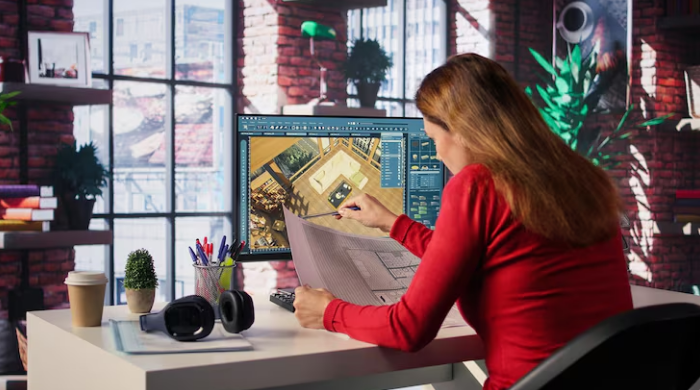
A lot of what makes interiors function well is actually decided at the architectural stage window placement, ceiling height, room proportions, where lighting can be installed, which walls are structural, and how people move through the house. When these decisions are made together from the start of a project, the resulting interiors tend to feel far more intentional than ones layered on after construction is already finished.
At Allan J. Grant and Associates, we design homes where the architecture and the interior experience are considered as one continuous project, not two separate phases. Whether you're planning a custom home, a full renovation, or simply refreshing the rooms you live in every day, our team develops designs built around how you actually want to live.
If you're ready to talk through a renovation, addition, or new build, contact us we'd be glad to help you plan a home that feels as good to live in as it looks.
Final Thoughts
Making a house feel warm and welcoming doesn't always require a full renovation. Thoughtful layouts, layered lighting, natural materials, and personal touches can transform a home far more than people expect. The best interiors are the ones that support everyday life while reflecting the people who live there combining real functionality with design that lasts well beyond the latest trend.
Frequently Asked Questions
1. What makes a house feel more like a home?
A home feels welcoming when it combines comfortable, well-placed furniture, thoughtful layouts, personal touches, and layered lighting that adapts to how the space is actually used throughout the day.
2. Why does functionality matter so much in interior design?
Functional rooms make daily life easier better traffic flow, more comfortable seating, smarter storage, and layouts that actually support how a space gets used, rather than just how it photographs.
3. How does lighting affect the overall design of a home?
Layered lighting ambient, task, accent, and decorative gives a room flexibility for different activities and moods throughout the day, which a single overhead fixture simply can't provide.
4. What are the benefits of bringing plants and natural materials into a home?
Natural elements like plants, wood, and stone add warmth, texture, and visual interest, and they create a calmer, more inviting atmosphere than purely synthetic finishes.
5. Why should I involve an architect in interior design decisions, not just a decorator?
An architect considers the structure and the interior experience together window placement, room proportions, lighting locations, and circulation so the finished home feels cohesive rather than assembled in separate pieces. Reach out to Allan J. Grant and Associates to start planning your project.