What Is Custom Millwork In Homes: How It Elevates Luxury Home Design

Allan Grant • May 16, 2026

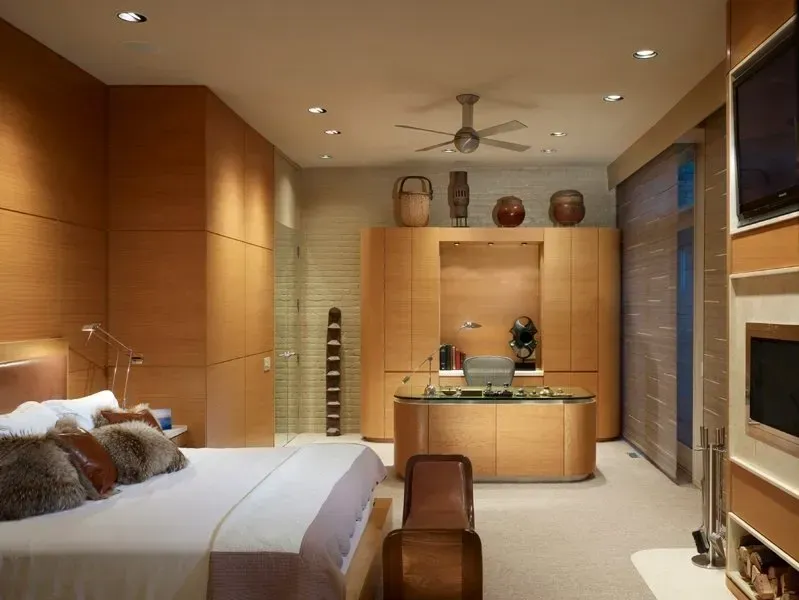
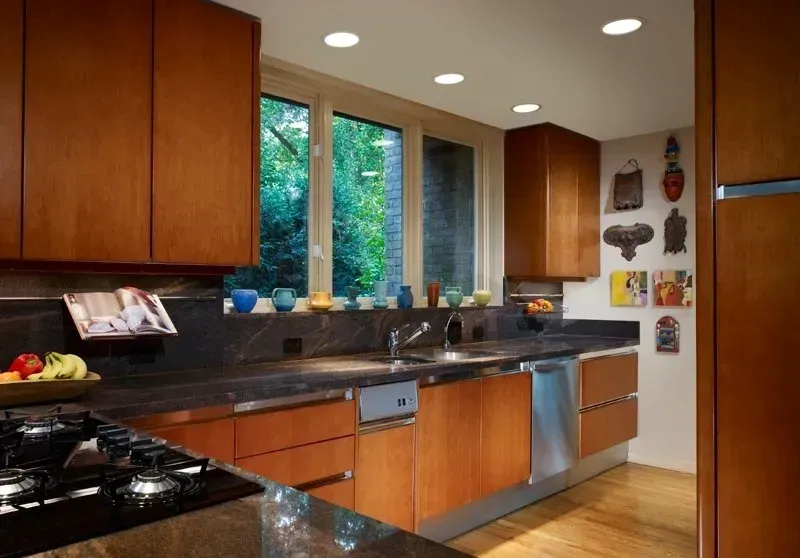
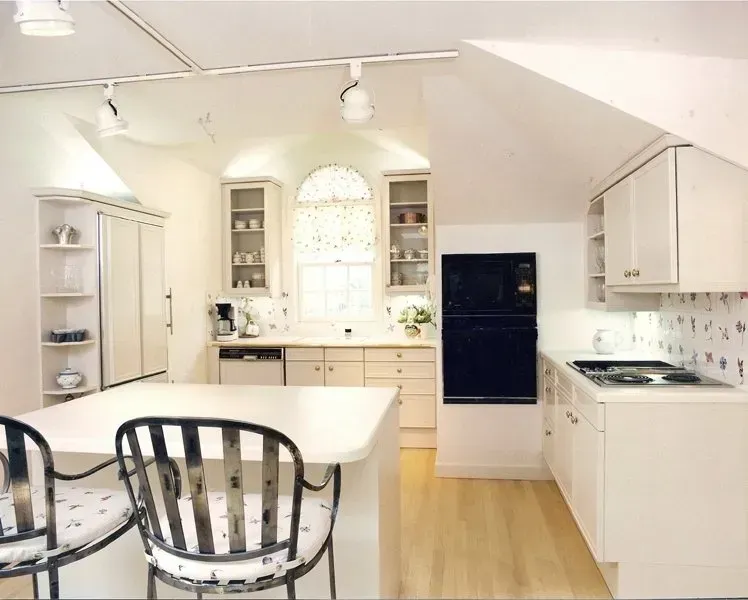
Walk through any truly memorable luxury home and you will notice a pattern: the spaces feel inevitable, like they were always meant to exist that way. That effect rarely comes from furniture alone. It comes from precision built elements that lock proportion, light, and function into place. If you are asking what is custom millwork in homes, think of it as the architectural layer that turns a nice interior into a tailored one: cabinetry, paneling, trim, built ins, stair components, and wood detailing that is designed, engineered, and fabricated specifically for your home.


In 2026, custom millwork is also a practical response to open plans, hybrid work, and higher expectations for acoustic comfort and concealed storage. This guide breaks down where millwork delivers the biggest design impact, which millwork design ideas age well, and how to plan wood detailing interior packages like a pro.


What custom millwork means in residential architecture


Custom millwork is the made to measure wood work that is integrated into the building, typically fabricated in a shop and installed on site for a precise fit. It differs from stock or semi custom options because it is drawn for your exact dimensions, alignments, reveals, and performance needs. In luxury home finishes, millwork often becomes the visual language that unifies rooms, creates rhythm, and elevates transitions.


Custom millwork vs stock: the real difference is coordination


The most important distinction is not just size flexibility. It is the ability to coordinate with architecture, mechanical systems, lighting, and stonework. For example, a bespoke cabinetry Chicago project might require filler free runs, appliance panels with exact ventilation, and doors that align with window mullions or ceiling coffers.


Where it shows up


Why custom millwork is a luxury multiplier


Luxury is not only about expensive materials. It is about proportion, restraint, and performance. Custom millwork enhances all three because it lets you control alignment, shadow lines, and storage volume with architectural precision. When designed well, it also reduces visual noise by hiding outlets, vents, and everyday clutter.


Perceived value and buyer expectations


High end buyers consistently associate tailored built ins with craftsmanship and durability. Built in storage also supports the “calm home” trend: fewer loose pieces, fewer exposed items, and more intentional negative space. In a 2025 consumer housing survey, storage and organization features ranked among the most desired interior attributes (NAHB, 2025).


Comfort benefits that clients feel immediately


Millwork design ideas that define 2026 luxury home finishes


In 2026, clients want warmth and tactility, but they also want cleanliness and easy maintenance. The best millwork design ideas balance expressive wood detailing interior moments with quiet planes and crisp reveals. This is where an architect and millwork fabricator should collaborate early, especially on modern profiles that have little tolerance for field adjustment.


Where custom millwork delivers the highest impact


Not every room needs a full millwork package. The smartest luxury strategy is to concentrate craftsmanship where it affects first impressions and daily routines. That means entries, kitchens cabinets, primary suites, and any space where clutter undermines calm.


Process and coordination: how to get millwork right the first time

Most millwork disappointments are coordination failures, not fabrication failures. The winning approach is to treat millwork like a mini building inside your building, with its own tolerances, structure, and sequencing. For luxury home finishes, the goal is consistent reveals and alignment across trades, especially at stone, tile, and metal interfaces.


A practical workflow that protects design intent


Evidence based planning notes


Industry project delivery research continues to show that upfront coordination reduces reworkand schedule impacts on complex builds (Dodge Construction Network, 2024). For wood products, interior environment control remains critical because wood moves with humidity, and stable conditions protect door alignment and finish quality (AWI, 2023).


Common mistakes to avoid (and pro tips that save headaches)


Luxury millwork should feel effortless, but the path to effortless is disciplined detailing. The following mistakes show up repeatedly on high end projects, including bespoke cabinetry Chicago installations where tight urban site constraints amplify sequencing issues.


Conclusion: using millwork as the architecture of luxury


Custom millwork is one of the most reliable ways to make a home feel truly high end because it combines beauty, performance, and daily usability. The best results come from early coordination, a clear design language, and disciplined detailing.


If you are planning a new build or renovation, the next step is to create a room by room millwork scope and a finish hierarchy, then review it with your architect and fabricator together. That single coordination meeting often determines whether your wood detailing interior reads as “custom” or simply “installed.”


Frequently asked questions


What is custom millwork in homes, in simple terms?

Custom millwork is made to order woodwork that is built specifically for your home’s dimensions and design. It includes cabinetry, wall paneling, trim, built ins, and other architectural wood details. The purpose is a precise fit and a cohesive look that stock products rarely match.


How is custom millwork different from custom furniture?

Millwork is typically integrated into the building and installed as part of the construction or renovation. Custom furniture is usually freestanding and can be moved without affecting the architecture. Millwork also requires deeper coordination with electrical, plumbing, and HVAC.


Which rooms benefit most from luxury millwork upgrades?

Kitchens, pantries, mudrooms, and primary suites usually deliver the biggest daily impact because storage and organization matter most there. Entries and media walls also benefit because they shape first impressions and reduce clutter. Libraries and bars are ideal places for statement wood detailing interior features.


Can I mix wood tones and still keep a luxury look?

Yes, and it is often more sophisticated than making everything match. Keep one dominant wood tone, then use a secondary tone for contrast in smaller areas like an island, bar, or built in. Consistent sheen levels help the mix feel intentional.


How do I evaluate a millwork shop for bespoke cabinetry Chicago projects?

Ask to see recent installed work, not only shop photos, and review the consistency of reveals and door alignment. Request a clear shop drawing process and confirm who handles field measurements and installation. Strong coordination habits matter as much as craftsmanship.

By websitebuilder June 24, 2026
The new season is a great reason to make and keep resolutions. Whether it’s eating right or cleaning out the garage, here are some tips for making and keeping resolutions.
By websitebuilder June 24, 2026
There are so many good reasons to communicate with site visitors. Tell them about sales and new products or update them with tips and information.
By websitebuilder June 24, 2026
Write about something you know. If you don’t know much about a specific topic that will interest your readers, invite an expert to write about it.
By Allan Grant May 25, 2026
Compare custom vs prefabricated cabinets in 2026 cost, durability, timelines, and resale impact. Use this guide to choose the best fit today.
By Allan Grant May 13, 2026
Learn what a residential architect does in 2026, from design to permits and build. Get step-by-step tips and hiring advice read now.
By Allan Grant May 7, 2026
If your home feels too noisy, too dark, or too chopped up, your layout is probably doing more “design work” than your furniture ever could. In 2026, the debate is no longer whether open plans are modern and closed plans are outdated. It is whether your layout supports how you actually live, from hybrid work and smart home zoning to cooking odors, acoustics, and energy performance. This guide breaks down open concept vs traditional layout pros cons with architect-level criteria, real remodeling triggers, and decision tools you can use today. You will learn how to match layout to lifestyle, where each approach performs best, and what to change if you want the best of both worlds. What each layout really means in 2026 Open concept: fewer walls, more shared volume An open concept plan typically combines kitchen, dining, and living into one connected space with minimal full-height partitions. It is valued for flexible furniture planning, easier supervision of kids, and better daylight sharing. It can also magnify noise, visual clutter, and cooking smells if not designed with containment strategies. Traditional layout: defined rooms with doors and thresholds A traditional layout uses discrete rooms, typically with a hallway or central circulation path. This supports privacy, acoustic separation, and easier HVAC zoning. It can feel compartmentalized or darker when interior rooms rely on borrowed light rather than direct windows. Open floor plan benefits (where open concept performs best) Open plans are powerful when your household thrives on shared time and flexible use. They also work well when your home’s exterior wall window placement can support the deeper shared space with balanced light. Daily living advantages you can feel Evidence to consider Architect’s note: Open concept succeeds when you design “invisible structure” such as lighting layers, ceiling alignment, and focal points. Without that, the space can feel like a single oversized multipurpose room. Closed kitchen advantages and the case for traditional layouts Traditional planning is not a step backward. It is a performance choice that can make your home quieter, cleaner, and more adaptable for multiple simultaneous activities. In 2026, it is also a strong response to hybrid work and multi-generational living. Where closed and defined rooms win Evidence to consider Practical takeaway: If your household often runs parallel activities, a traditional layout can reduce friction without adding square footage. Remodeling layout ideas that deliver “best of both” results Most homeowners are not choosing extremes in 2026. They are building selective openness with better control over sound, mess, and air. The goal is not fewer walls, it is smarter boundaries. High-impact moves (often without a full gut renovation) What if you cannot move walls? If structural walls or budget limit changes, you can still re-plan functionally. Use rugs, ceiling features, and furniture “spines” such as a console or shelving to define circulation. Add acoustic absorption with upholstered pieces, drapery, and acoustic panels where needed. Common mistakes to avoid (architect pro tips) Layout problems often come from ignoring performance details that are invisible in a pretty rendering. The following issues are the most common reasons homeowners regret an open plan or feel stuck in a closed plan. Pro tip: Do a “day-in-the-life” walkthrough. List your top five daily scenarios, then check if the layout supports them without conflict. Home layout trends shaping choices in 2026 In 2026, homeowners want adaptable spaces that support work, wellness, and energy performance. The market is moving toward hybrid solutions that keep openness where it matters and add separation where it improves comfort. What is changing now Evidence to consider Bottom line: The “right” layout in 2026 is the one that balances connection with control, based on your routines and sensitivities. Conclusion: make the layout work for your real life There is no universal winner in open concept vs traditional layout pros cons. The best plan is the one that supports your routines, comfort, and long-term flexibility, with performance details designed in from the start. If you are planning a remodel, bring an architect or qualified residential designer in early to map circulation, structure, HVAC, and ventilation before you remove walls. Share your “day-in-the-life” scenarios, and ask for two options: a fully open concept and a semi-open alternative. Your best layout is the one you will still love after the novelty wears off. Frequently asked questions What are the biggest open concept vs traditional layout pros cons? Open concept improves connection, flexibility, and daylight sharing, but it can increase noise, visual clutter, and cooking odor spread. Traditional layouts support privacy, acoustics, and containment, but can feel segmented or reduce sightlines. The better choice depends on daily routines, not trendiness. Are open floor plan benefits worth it for a small home? Often yes, because shared space can make a small footprint feel larger and brighter. However, you still need storage and defined zones so the home does not feel chaotic. A semi-open approach with partial separation is frequently the most comfortable option. What are the closed kitchen advantages for serious cooks? A closed kitchen helps contain smoke, grease, and odors, and it keeps mess out of view when hosting. It can also support stronger task lighting and more wall space for storage. Pair it with good ventilation design for best results. How do I make an open concept quieter? Add soft surfaces like rugs and drapery, and consider acoustic panels or absorptive ceiling features. Use furniture to create zones and break up sound paths. If you are remodeling, add sliding doors or a partial-height partition near the kitchen. Can I partially open a traditional layout without removing structural walls? Yes, you can widen doorways, add cased openings, or install interior glazing to share light and sightlines. Even a pass-through or counter-height opening can change how the home lives. Always confirm structural and mechanical implications before cutting openings. Should I choose an open plan for resale in 2026? Open plans remain popular, but buyer preferences vary by neighborhood and home type. Overly open layouts can be a negative for buyers who want privacy or a closed kitchen. Aim for flexible openness that can be “closed” when needed. What layout is better for hybrid work and video calls?  Traditional layouts or semi-open plans typically perform better because they provide acoustic separation and visual boundaries. If you have an open plan, prioritize a dedicated office with a door or a sound-controlled nook. Lighting and background control matter as much as square footage.