How Custom Millwork Enhances Luxury Home Design
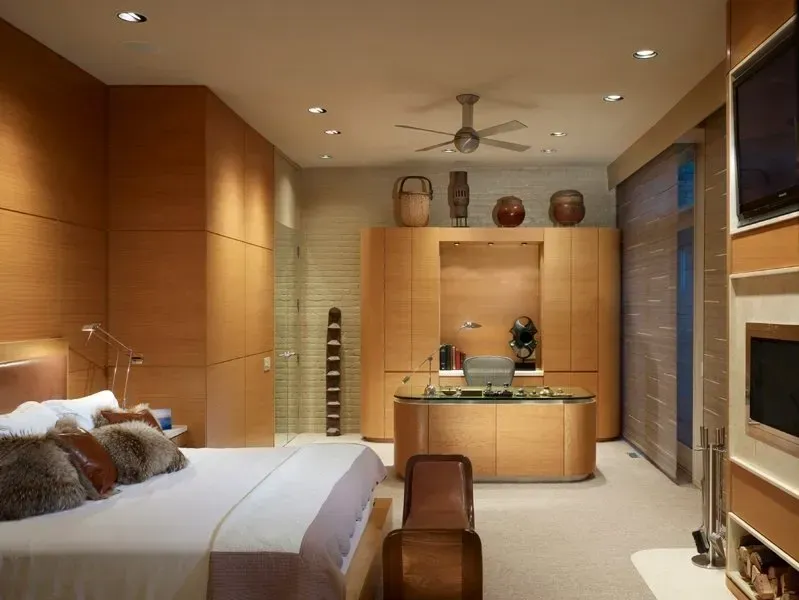
When architects and interior designers discuss the elements that elevate a residence from simply upscale to truly exceptional, custom millwork is almost always part of the conversation. At Allan J. Grant and Associates, we view custom millwork as one of the defining features of a thoughtfully designed luxury home. It encompasses everything crafted from milled wood specifically for a space, including paneled walls, coffered ceilings, built-in cabinetry, custom shelving, mantels, staircases, and detailed window and door casings.
At Allan J. Grant and Associates, custom millwork is often an integral part of creating bespoke living environments that reflect both the architecture of the home and the lifestyle of the homeowner. In this article, we'll explore what custom millwork includes, why it remains a cornerstone of high-end residential design, and the key considerations when incorporating custom millwork into your next project.
What Custom Millwork Actually Includes
Millwork is a broad term. In residential design, it generally covers any architectural woodwork that is fabricated off-site in a mill and installed on-site. The scope of a millwork package can range from simple door casings and baseboards to a full library with floor-to-ceiling shelving, rolling ladders, and integrated lighting.
The most common elements of a custom millwork package in a luxury home include:
- Paneled walls and wainscoting: Wood paneling applied to walls adds depth, texture, and architectural weight to a room. Wainscoting, which covers the lower portion of a wall, is a classic detail that works in formal dining rooms, hallways, and studies.
- Coffered and beamed ceilings: Coffered ceilings consist of a grid of recessed panels framed by beams or moldings. Beamed ceilings, whether structural or decorative, add warmth and visual interest overhead, especially in living rooms and great rooms with higher ceilings.
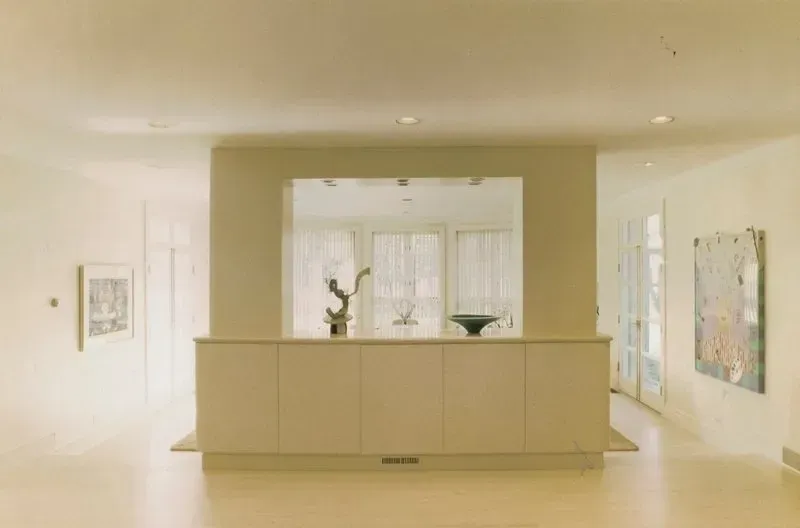
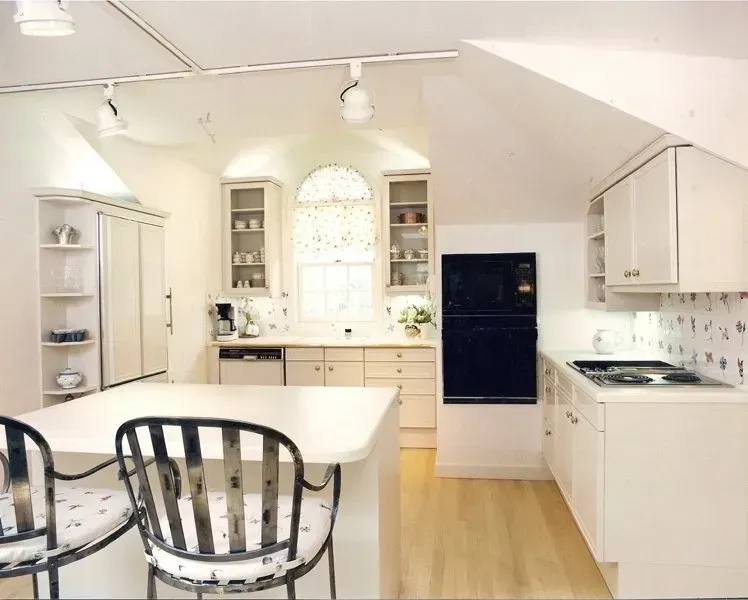
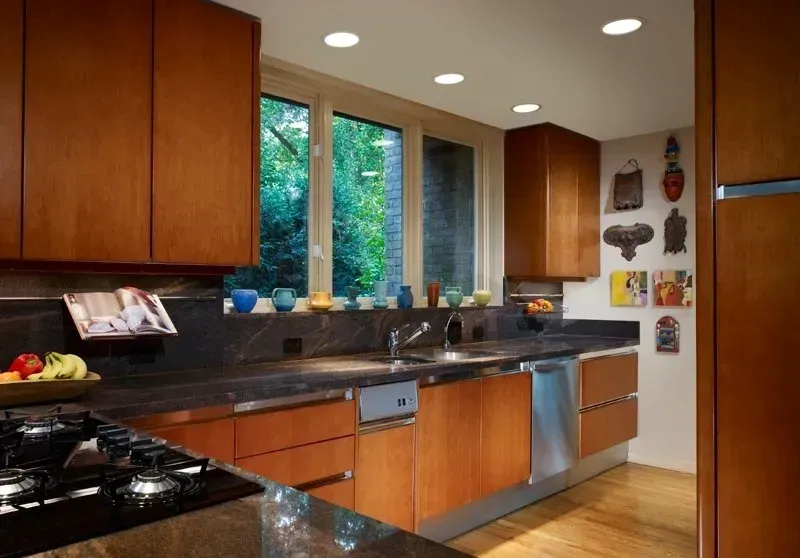
- Built-in cabinetry and shelving: Custom built-ins serve both storage and display functions. A well-designed library wall, a built-in home office, or a media room with integrated cabinetry contributes significantly to how livable a space feels.
- Staircases and railings: The staircase is often the most prominent millwork element in a home. Custom newel posts, handrails, balusters, and stringer details make a staircase a design feature rather than just a passage between floors.
- Fireplace mantels and surrounds: A custom mantel is one of the clearest ways to define the character of a living room or primary bedroom. The scale, profile, and material of the mantel should relate to the proportions of the room and the architectural style of the home.
- Window and door casings: The profile and scale of trim around windows and doors signals the overall design sensibility of a space. Thicker, more articulated profiles suggest a traditional or classical approach; clean, minimal casings signal a more contemporary direction.
Why Custom Millwork Matters in Luxury Home Design
It Is Scaled and Proportioned for the Specific Space
One of the most significant advantages of custom millwork over stock options is that every element is designed for the actual room it will occupy. A coffered ceiling in a room with ten-foot ceilings needs different proportions than the same detail in a room with fourteen-foot ceilings. Stock profiles rarely account for these variables.
When millwork is properly scaled, it looks as though it belongs. When it is not, even beautifully crafted individual pieces can feel out of place. Architects who have experience specifying and detailing millwork understand these proportional relationships and can translate them into construction documents that a millwork shop can execute accurately.
It Contributes to Architectural Continuity
Custom millwork ties the different rooms of a home together through a consistent design vocabulary. A family of molding profiles, a consistent approach to paneling, or a recurring detail in cabinetry hardware creates visual coherence across spaces that might otherwise feel disconnected.
This continuity is particularly important in larger homes where the architecture needs to hold together across many rooms and levels. It is also important in renovation projects where new additions or updated interiors need to relate to existing historic fabric
.
It Improves the Quality of Craftsmanship
Off-the-shelf trim and cabinetry is manufactured to price points, which means material quality, joinery methods, and finishing are all compromised to varying degrees. Custom millwork allows the architect or designer to specify the wood species, the grade of lumber, the joinery technique, and the finish in detail.
Mortise-and-tenon joinery on a door frame, for instance, is more durable and looks better over time than components assembled with pocket screws. Solid wood frames on cabinetry outlast MDF-core alternatives in humid environments. These distinctions accumulate into a meaningful difference in how a home ages.
It Adds Long-Term Value
Custom millwork is a permanent improvement to a property. Unlike furniture or fixtures that can be replaced, architectural woodwork is built into the structure of the home. Buyers in the luxury market recognize and respond to quality millwork because it is both visible and durable.
From a resale perspective, homes with well-executed custom millwork consistently command higher prices than comparable properties without it. More importantly, well-designed and properly executed millwork does not date quickly. Classic paneling profiles, well-proportioned coffered ceilings, and thoughtful built-in cabinetry look appropriate across decades rather than feeling tied to a particular moment.
Selecting Wood Species and Finishes
The choice of wood species and finish affects both the appearance and the longevity of custom millwork. Understanding the properties of different species helps in making decisions that hold up over time.
Common Wood Species in Custom Millwork
White oak has become the dominant species in contemporary luxury interiors. Its grain is relatively consistent, it takes stain and oil finishes well, and it has a quiet visual character that suits both modern and transitional design directions. It is also durable and stable.
Walnut is prized for its rich, dark color and varied grain pattern. It works especially well in modern and mid-century influenced interiors. Walnut tends to be used for feature elements rather than an entire room's millwork because of its visual weight.
Painted maple is a standard choice for painted cabinetry and built-ins. Maple has a tight, uniform grain that minimizes grain telegraph under paint, resulting in a smooth, clean surface.
Cherry has a warm reddish-brown tone that deepens with age and light exposure. It is a traditional choice for formal rooms and library interiors.
Rift and quartersawn oak is cut in a way that minimizes the fleck pattern found in plain-sawn oak. It produces a more linear, consistent grain that suits contemporary interiors where a calmer, more uniform surface is preferred.
Finish Options
The finish chosen for millwork affects both its appearance and its durability in a given environment. Oil finishes penetrate the wood and enhance natural color and grain while allowing the wood to move with humidity changes. Conversion varnishes and lacquers form a surface film that is more resistant to moisture and wear, making them appropriate for high-use surfaces like cabinetry.
Painted finishes require a primer coat, a sealer, and multiple topcoats to achieve a durable result. Water-based paints have improved significantly and are now common in high-end millwork due to their low VOC content and hard-wearing surface.
How Architects Approach Custom Millwork Specification
Designing custom millwork is not simply a matter of choosing wood and a profile. It requires a thorough understanding of how architectural detail is drawn and communicated to fabricators, how different materials behave in real-world conditions, and how the millwork integrates with adjacent construction.
An architect working on a luxury residential project will typically produce detailed millwork drawings that show plan, elevation, and section views at a large scale. These drawings specify not only the visual appearance but also dimensions, joinery methods, material grades, and finish requirements. This level of documentation is what separates a well-executed millwork package from one that arrives on-site with gaps in the design that get resolved arbitrarily during installation.
The architect also plays an important coordination role, ensuring that millwork integrates properly with mechanical, electrical, and plumbing systems. Built-in cabinetry may need to accommodate HVAC registers, electrical outlets, speaker systems, or lighting. A fireplace surround may need to meet specific clearance requirements relative to the firebox. These details need to be resolved in the drawing set before fabrication begins.
If you are curious about how architectural detail is approached across a range of residential projects, the project gallery at Grant Architects Chicago shows completed work across different home types and scales.
Working With a Millwork Fabricator
Even with excellent design documentation, the quality of custom millwork depends heavily on the fabricator. Selecting a millwork shop with relevant experience, a track record of working on projects at a similar level, and a willingness to collaborate closely with the design team is essential.
In practice, the best results come from a relationship where the architect, the millwork fabricator, and the general contractor are in regular communication throughout the process. Shop drawings produced by the fabricator should be reviewed and approved by the architect before any cutting begins. Site conditions should be verified against the drawings before fabrication is completed. And installation should be supervised to catch any issues before they become expensive corrections.
The investment in custom millwork, like most investments in a luxury home, pays off most reliably when the process is managed carefully from design through installation.
FAQ: Custom Millwork in Luxury Homes
What is the difference between custom millwork and stock millwork?
Stock millwork is manufactured in standard sizes and profiles and sold through lumber yards and home improvement retailers. Custom millwork is designed and fabricated specifically for a given project, allowing for precise dimensions, custom profiles, specified material grades, and coordinated finishes. In luxury residential work, custom millwork is the standard because stock options rarely achieve the level of quality, proportion, or design specificity required.
How long does custom millwork take to fabricate and install?
Lead times vary depending on the scope and the fabricator's schedule, but a typical custom millwork package for a luxury home takes between eight and sixteen weeks from approved shop drawings to delivery. Complex projects with large quantities of cabinetry or intricate joinery may take longer. Planning for millwork early in the design process is essential to avoid delays in the overall construction schedule.
How much does custom millwork cost?
Custom millwork pricing varies widely depending on the scope, wood species, finish type, joinery complexity, and regional labor rates. It is one of the areas in luxury home construction where the range between adequate and exceptional is significant. Working with an architect to define the scope clearly before soliciting bids helps ensure that estimates are comparable and realistic.
What wood species are most commonly used in luxury residential millwork?
White oak, walnut, cherry, and painted maple are among the most common species in high-end residential millwork. The choice depends on the design direction of the home, the finish approach, and the specific application. An architect or millwork specialist can recommend species based on these factors.
Can custom millwork be added to an existing home?
Yes. Custom millwork is often added during renovations to upgrade a home's architectural character. It can be incorporated into existing rooms without structural changes in many cases, though coordination with electrical, mechanical, and other systems is sometimes required. The most important step is ensuring that new millwork relates proportionally and stylistically to the existing architecture.
Is custom millwork worth the investment?
In a luxury home, custom millwork is one of the most impactful investments you can make. It is permanent, it appreciates the value of the property, and it contributes to the livability and character of the home in ways that furniture and finishes cannot replicate. The return on the investment is strongest when the design is carefully thought through and the fabrication and installation are executed with the same level of care.