Open Concept vs Traditional Layout Pros Cons: The 2026 Home Planning Guide
If your home feels too noisy, too dark, or too chopped up, your layout is probably doing more “design work” than your furniture ever could. In 2026, the debate is no longer whether open plans are modern and closed plans are outdated. It is whether your layout supports how you actually live, from hybrid work and smart home zoning to cooking odors, acoustics, and energy performance. This guide breaks down open concept vs traditional layout pros cons with architect-level criteria, real remodeling triggers, and decision tools you can use today. You will learn how to match layout to lifestyle, where each approach performs best, and what to change if you want the best of both worlds.
What each layout really means in 2026
Open concept: fewer walls, more shared volume
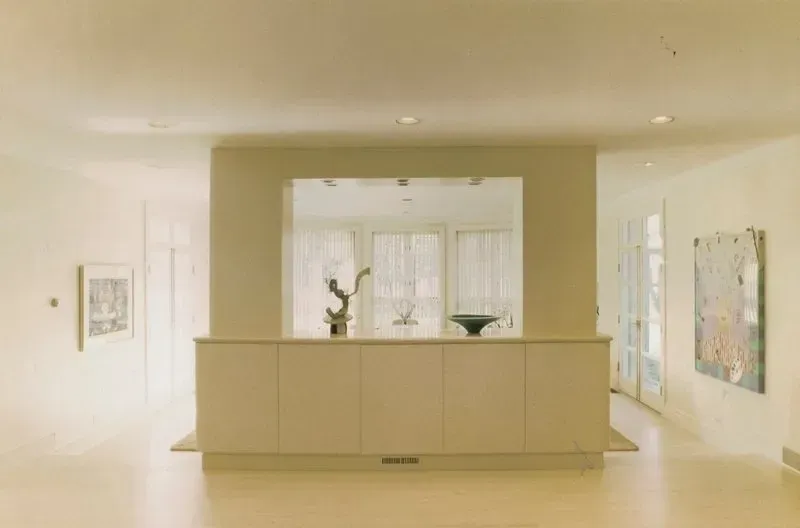
An open concept plan typically combines kitchen, dining, and living into one connected space with minimal full-height partitions. It is valued for flexible furniture planning, easier supervision of kids, and better daylight sharing. It can also magnify noise, visual clutter, and cooking smells if not designed with containment strategies.
Traditional layout: defined rooms with doors and thresholds
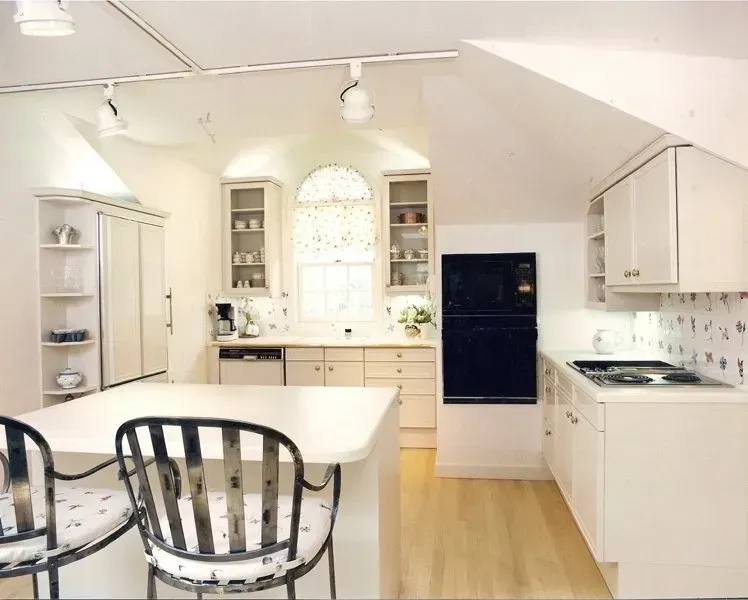
A traditional layout uses discrete rooms, typically with a hallway or central circulation path. This supports privacy, acoustic separation, and easier HVAC zoning. It can feel compartmentalized or darker when interior rooms rely on borrowed light rather than direct windows.
Open floor plan benefits (where open concept performs best)
Open plans are powerful when your household thrives on shared time and flexible use. They also work well when your home’s exterior wall window placement can support the deeper shared space with balanced light.
Daily living advantages you can feel
Evidence to consider
Architect’s note: Open concept succeeds when you design “invisible structure” such as lighting layers, ceiling alignment, and focal points. Without that, the space can feel like a single oversized multipurpose room.
Closed kitchen advantages and the case for traditional layouts
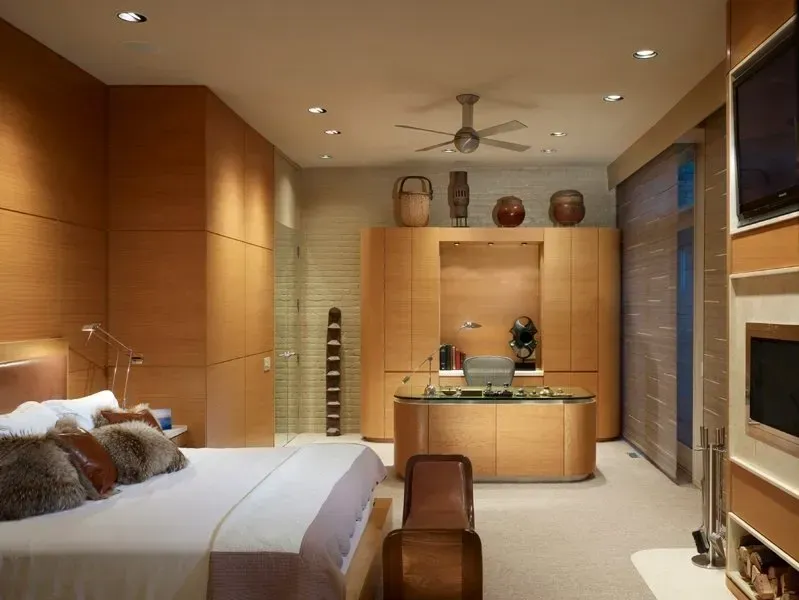
Traditional planning is not a step backward. It is a performance choice that can make your home quieter, cleaner, and more adaptable for multiple simultaneous activities. In 2026, it is also a strong response to hybrid work and multi-generational living.
Where closed and defined rooms win
Evidence to consider
Practical takeaway: If your household often runs parallel activities, a traditional layout can reduce friction without adding square footage.
Remodeling layout ideas that deliver “best of both” results
Most homeowners are not choosing extremes in 2026. They are building selective openness with better control over sound, mess, and air. The goal is not fewer walls, it is smarter boundaries.
High-impact moves (often without a full gut renovation)
What if you cannot move walls?
If structural walls or budget limit changes, you can still re-plan functionally. Use rugs, ceiling features, and furniture “spines” such as a console or shelving to define circulation. Add acoustic absorption with upholstered pieces, drapery, and acoustic panels where needed.
Common mistakes to avoid (architect pro tips)
Layout problems often come from ignoring performance details that are invisible in a pretty rendering. The following issues are the most common reasons homeowners regret an open plan or feel stuck in a closed plan.
Pro tip: Do a “day-in-the-life” walkthrough. List your top five daily scenarios, then check if the layout supports them without conflict.
Home layout trends shaping choices in 2026
In 2026, homeowners want adaptable spaces that support work, wellness, and energy performance. The market is moving toward hybrid solutions that keep openness where it matters and add separation where it improves comfort.
What is changing now
Evidence to consider
Bottom line: The “right” layout in 2026 is the one that balances connection with control, based on your routines and sensitivities.
Conclusion: make the layout work for your real life
There is no universal winner in open concept vs traditional layout pros cons. The best plan is the one that supports your routines, comfort, and long-term flexibility, with performance details designed in from the start.
If you are planning a remodel, bring an architect or qualified residential designer in early to map circulation, structure, HVAC, and ventilation before you remove walls. Share your “day-in-the-life” scenarios, and ask for two options: a fully open concept and a semi-open alternative. Your best layout is the one you will still love after the novelty wears off.
Frequently asked questions
What are the biggest open concept vs traditional layout pros cons?
Open concept improves connection, flexibility, and daylight sharing, but it can increase noise, visual clutter, and cooking odor spread. Traditional layouts support privacy, acoustics, and containment, but can feel segmented or reduce sightlines. The better choice depends on daily routines, not trendiness.
Are open floor plan benefits worth it for a small home?
Often yes, because shared space can make a small footprint feel larger and brighter. However, you still need storage and defined zones so the home does not feel chaotic. A semi-open approach with partial separation is frequently the most comfortable option.
What are the closed kitchen advantages for serious cooks?
A closed kitchen helps contain smoke, grease, and odors, and it keeps mess out of view when hosting. It can also support stronger task lighting and more wall space for storage. Pair it with good ventilation design for best results.
How do I make an open concept quieter?
Add soft surfaces like rugs and drapery, and consider acoustic panels or absorptive ceiling features. Use furniture to create zones and break up sound paths. If you are remodeling, add sliding doors or a partial-height partition near the kitchen.
Can I partially open a traditional layout without removing structural walls?
Yes, you can widen doorways, add cased openings, or install interior glazing to share light and sightlines. Even a pass-through or counter-height opening can change how the home lives. Always confirm structural and mechanical implications before cutting openings.
Should I choose an open plan for resale in 2026?
Open plans remain popular, but buyer preferences vary by neighborhood and home type. Overly open layouts can be a negative for buyers who want privacy or a closed kitchen. Aim for flexible openness that can be “closed” when needed.
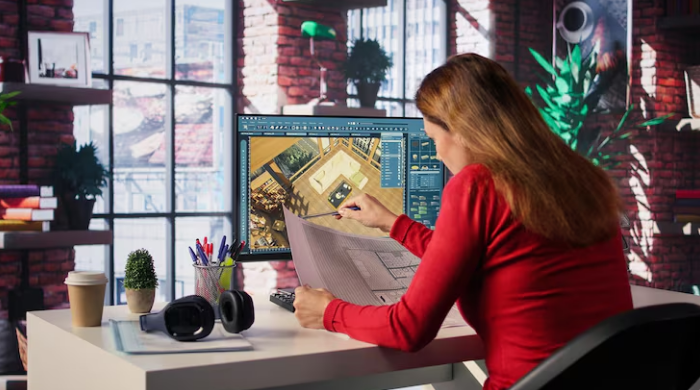
What layout is better for hybrid work and video calls?
Traditional layouts or semi-open plans typically perform better because they provide acoustic separation and visual boundaries. If you have an open plan, prioritize a dedicated office with a door or a sound-controlled nook. Lighting and background control matter as much as square footage.